

From Data to Design: Tableau’s Depth vs. Canva’s Creativity
- Cymphony Wallace
- Sep 24, 2024
- 3 min read


I'll be completely honest: I had never heard of Tableau until I started researching for this post.
After spending some time exploring and understanding what the platform is used for, I can confidently say that it’s a very powerful tool, even though I still prefer Canva.
According to the Tableau website, “Tableau is a visual analytics platform transforming the way we use data to solve problems—empowering people and organizations to make the most of their data.”. From what I understand this platform can be used for more data driven tasks versus tasks that are completed on canva. Canva as stated on its website can be defined as “a free-to-use online graphic design tool. Use it to create social media posts, presentations, posters, videos, logos and more.”
Platform Differences
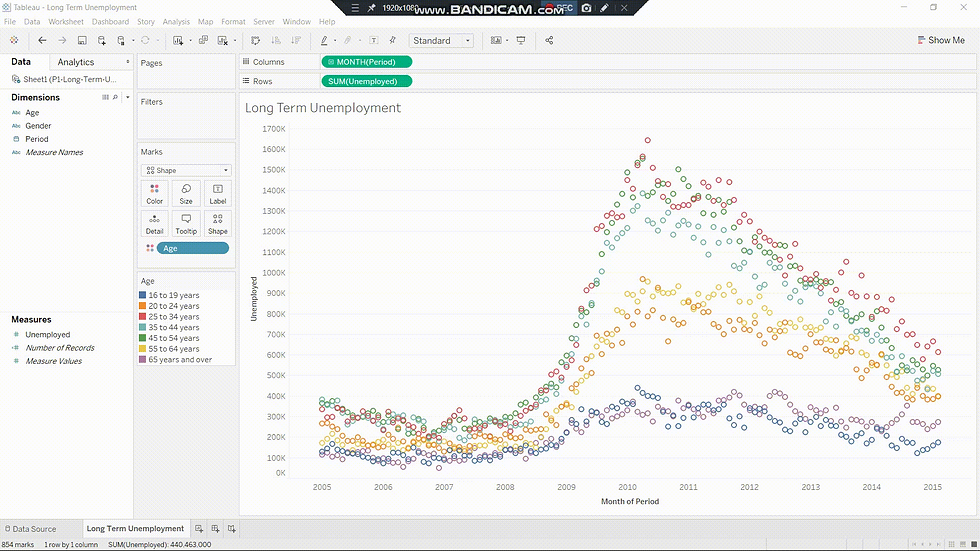
I believe one of the key differences between the two platforms is how each handles data and analytics. Tableau is designed to manage large datasets and perform in-depth analytics. You can connect Tableau to dashboards, which update in real-time, automatically adjusting charts, tables, or infographics as the data changes. It can also perform calculations similar to Excel, making it highly valuable for professionals who rely heavily on detailed analysis and large datasets.
On the other hand, while Canva can create charts and infographics, the data input must be done manually. This limits its ability to handle large, complex charts and graphs compared to Tableau.
Another difference between the two platforms is in customization and design. Canva is primarily used to create and showcase visually appealing static designs for social media and for users who need a simple graphic design tool. While Tableau does offer customization options for its tables and charts, these options are not as flexible. Its primary goal is to create clear and insightful data-driven visuals, rather than highly polished marketing materials.
The last major difference I noticed between both platforms is their target audience. Tableau is designed for professionals who need to handle large datasets, analyze complex data, and primarily work in finance or marketing analytics. Canva, on the other hand, is also aimed at people in the marketing field but focuses more on those who manage social media, create flyers, or design visually appealing presentations to convey a story, with little need for major analytics.

Platform Similarities
While there are some significant differences between these two well-made platforms, there are also several similarities. Both platforms offer user-friendly interfaces, templates, and educational resources.
Thanks to their user-friendly interfaces, both Canva and Tableau are simple to figure out, even for beginners. Little to no experience is required, and you can still create striking charts, infographics, and graphs using each platform.
Templates—oh, how I enjoy a good template! Not only do they give you a great starting point without needing to invest a lot of effort, but you can also use a template to expand on an idea you already had. Canva mainly provides templates for logos, Instagram posts, flyers, and presentations. Similarly, Tableau offers templates for visualizing data, such as bar charts, dashboards, and line graphs.
Lastly, both platforms offer educational resources. Not only are they useful for creating visuals, but they also provide learning tools for users who might be unfamiliar with certain features. Canva offers design tips and tutorials, while Tableau provides in-depth training courses and certifications that help users improve their data visualization skills.
In conclusion, both platforms are unique and extremely helpful for your data visualization needs within their respective fields. While they are designed for different purposes, each excels in its own way—Tableau for deep data analysis and Canva for creative, visually appealing designs.

Comments